Is Talking to AI Good for Mental Health? What Research and Experience Show
Mental health support is evolving. Alongside therapy, mindfulness, and self-care practices, AI is emerging as a new form of emotional assistance.
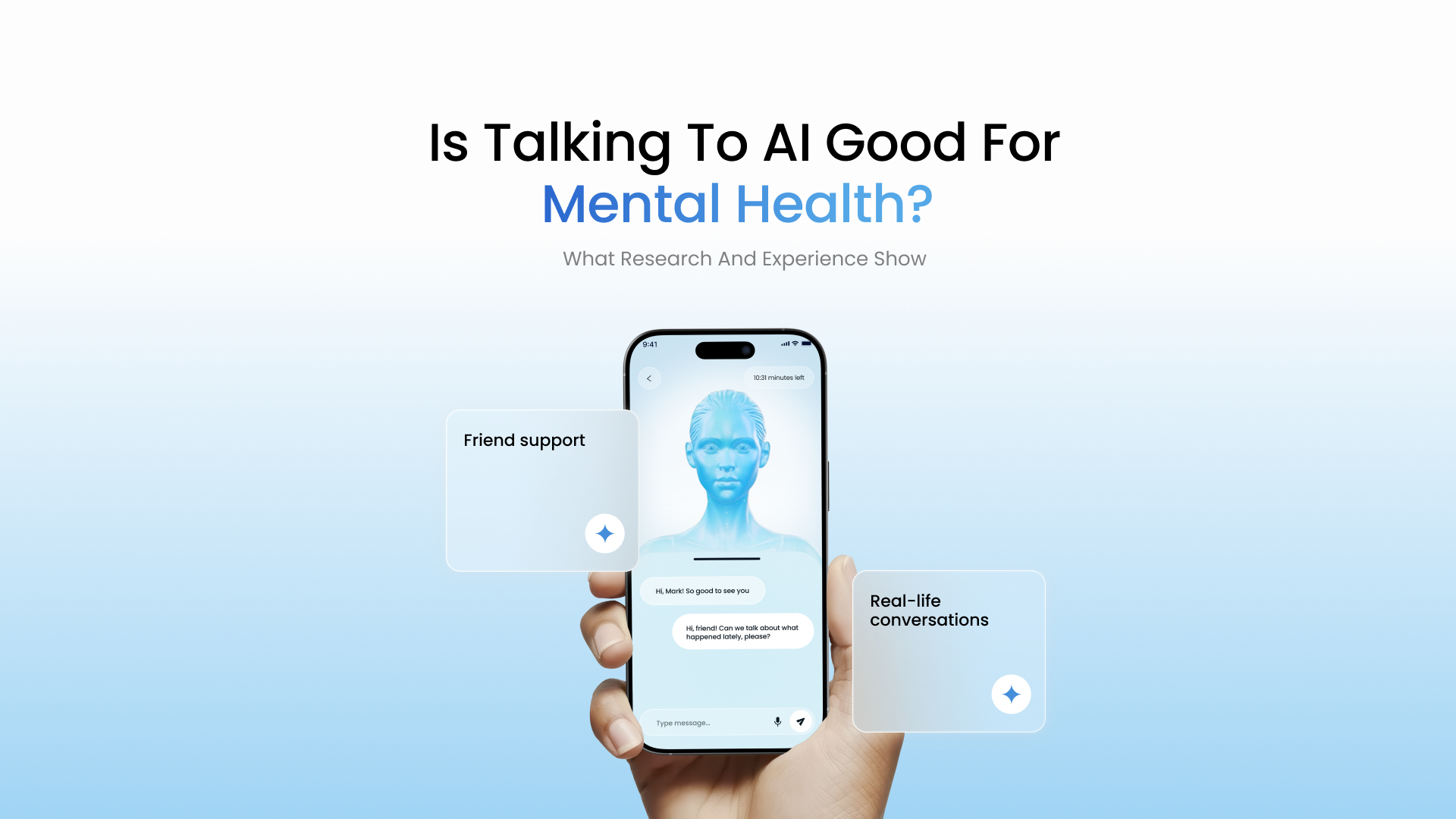
Mental health support is evolving. Alongside therapy, mindfulness, and self-care practices, AI is emerging as a new form of emotional assistance.
But is it actually helpful?
What AI Can (and Can’t) Do for Mental Health
AI is not a therapist. And it shouldn’t try to be.
What AI can do:
- Help users organize thoughts
- Provide emotional grounding
- Offer reflection without judgment
- Reduce feelings of isolation
What AI cannot do:
- Diagnose conditions
- Replace professional care
- Form emotional dependency
The value of AI lies in support, not treatment.
Why Some People Feel Better After Talking to AI
Many users report feeling calmer after AI conversations. This happens because verbalizing thoughts — even digitally — helps regulate emotions.
AI provides:
- A neutral listener
- Immediate availability
- A sense of being heard
This combination can significantly reduce emotional tension.
Safety First: Responsible AI Design
Mental health-focused AI must follow strict ethical principles.
Luna Friendly prioritizes:
- Emotional neutrality
- Non-addictive interaction patterns
- Encouragement of real-world balance
The app is designed to support users — not hold onto them.
AI as Part of a Healthy Mental Routine
Used mindfully, AI can be part of a healthy emotional ecosystem:
- Journaling
- Therapy
- Meditation
- Self-reflection
- AI companionship
It’s not about replacing human care. It’s about expanding access to emotional tools.
Final Thoughts
Mental health support should be accessible, stigma-free, and safe.
AI isn’t the future of mental health — but it’s a powerful ally in helping people feel less alone while they navigate it.
And when designed with care, it can make a meaningful difference.